

Launch at London Climate Action Week 2026
Supported by
Hosted by


At London Climate Action Week we gathered 150 electrotech leaders to establish a shared fact base about where electrotech currently stands and create a shared vision of where we’re going.
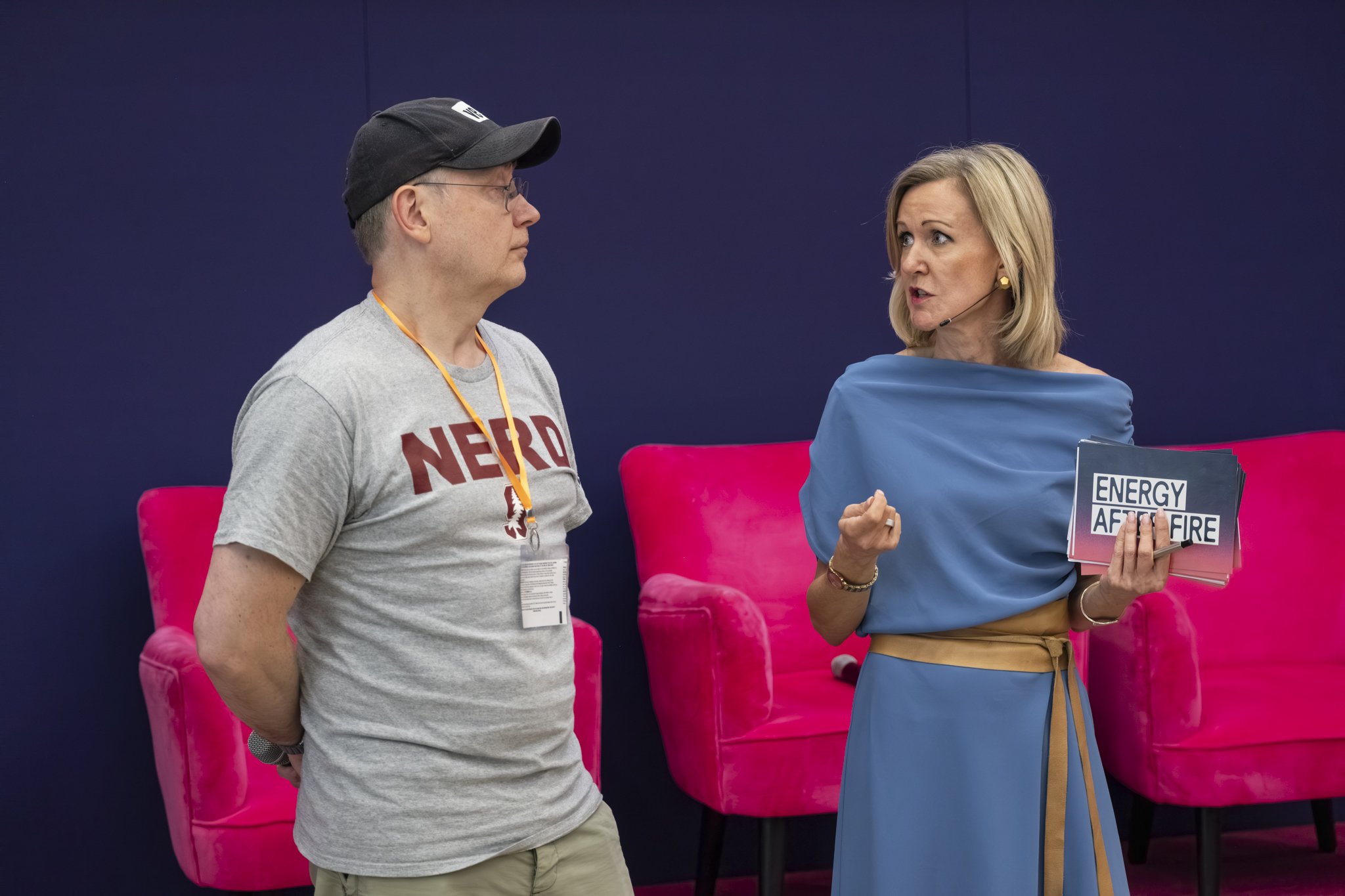
“Energy After Fire. That’s a mission. That’s a movement. That’a destination.”
Ann Mettler
President, Catalyse Europe
By the numbers
150
20
attendees
speakers
100+
20
organisations
countries
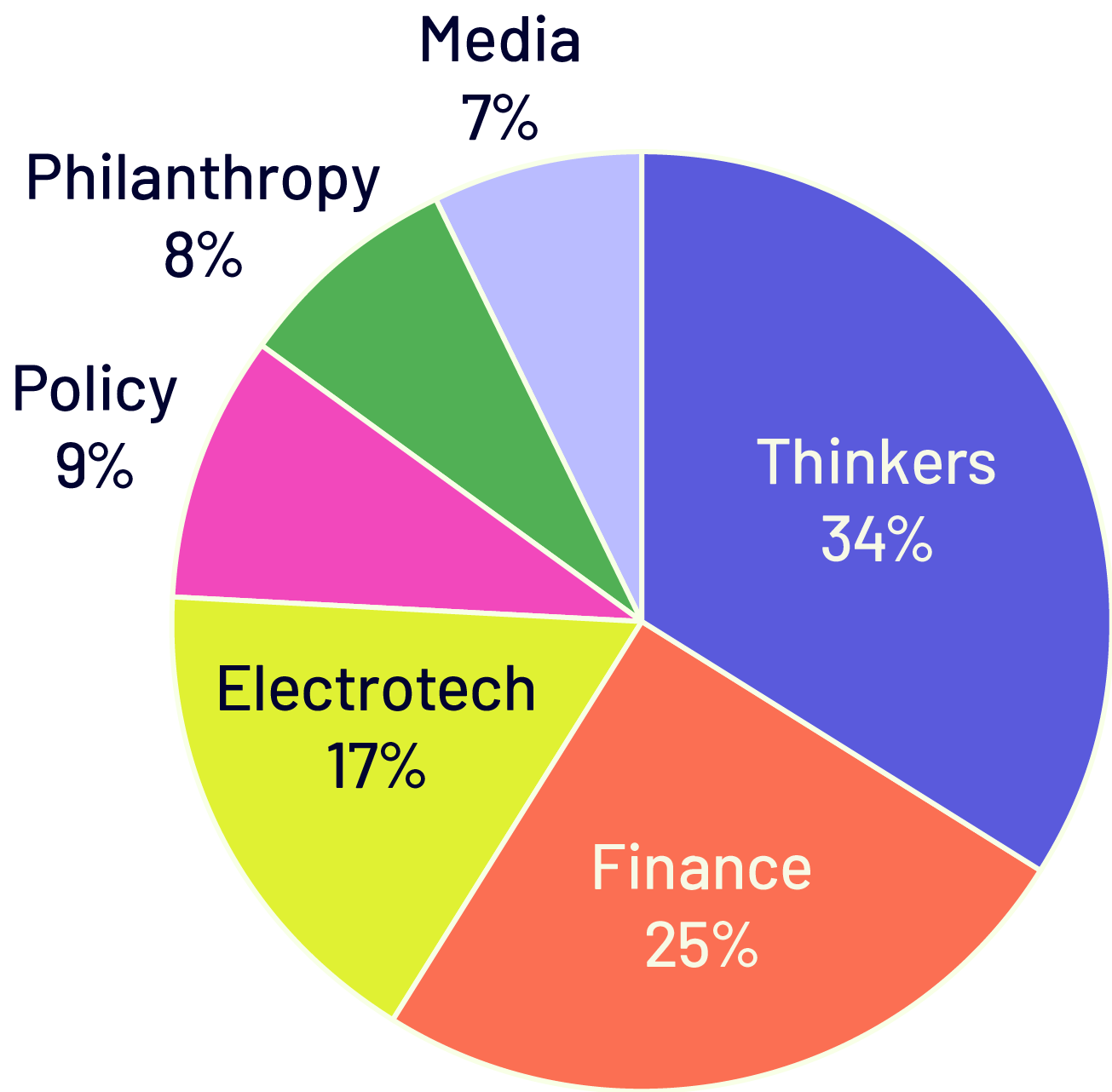
What we heard: key themes from the day
Europe needs to electrify, and fast
The reflex to build more supply during an energy crisis is no longer serving Europe. Electrification has been stagnant for a decade. We need systems thinking to break away from this, which means a focus on reducing electricity prices as well as increasing flexibility and using new technologies like batteries.
Electrification and AI are one transition
AI is pushing demand upward and driving more modern, flexible energy systems, while electrification is what enables AI-powered automation. This is one and the same shift, bringing both risks and opportunities – and AI might be where the West finds the demand to unlock renewables.
We need new frames of reference
Fossil era concepts don’t hold when we apply them to electrotech. Minerals are inputs to manufacturing, not fuels — they can’t be cut off in the same way. Electrification targets are vulnerable to the “final energy fallacy”. And capex is the wrong lens when renewables compete on variable cost.
Europe's opportunity is to become a system architect
Europe does not hold large fossil reserves and will not out-manufacture China on commodity hardware. Instead it should compete on smarts – integration, software and system design – and focus on deploying today in sectors where it can win. It needs to determine an electrotech endpoint, and stick with the policies needed to get there.
Emerging markets are the frontier
Solar has reached capex parity, batteries are faster than new grid connections, and electric appliances keep getting cheaper. Driven by lots of little decisions made at kitchen tables, emerging markets are electrifying faster than the West, and some faster than China.
Electrotech is becoming the metric of national power
The tech stack built to fight global warming is increasingly being used in combat, with electrotech driving major military breakthroughs. Energy importers around the world are seeking to gain sovereignty by building AI and electricity infrastructure. Security gives electrotech a political durability that climate arguments alone have not.
Programme
Opening remarks: Seize the moment

Session 1: Building the era of electrotech
Where the opportunities are, who’s leading, and what comes next
Ann Mettler, Catalyse Europe | VIDEO
What it means to build the era of electrotech and what tests lie ahead.




Greg Jackson, Octopus Energy | VIDEO
Europe's networks are underutilised, "like a 200-seat plane" with 178 empty seats. The fix is to awaken the long-idle demand side versus building more planes.

Session 2: The electro-world order
How electrotech is reshaping energy security and creating new winners and losers

Thijs Van de Graaf, Ghent University | VIDEO
An electrostate is not a petrostate; the dependency is different in kind.

Tatiana Mitrova, Center on Global Energy Policy, Columbia University | VIDEO
Europe should aim to be the system's architect, competing on integration, not commoditised panels.

Sarah Ladislaw, New Energy Industrial Strategy Center | VIDEO
Competitiveness has no quick fix. Much of China's electrotech is made at a loss. Does the West have the appetite to match it?

Session 3: A new day for Europe
How Europe can harness electrotech to escape fossil dependence, regain sovereignty and catalyse growth

Miguel Muñoz, Iberdrola | VIDEO
What holds back electrification? Clogged grids, slow permits and taxing electricity more than gas.


Jules Kortenhorst, Energy Transitions Commission | VIDEO
Industrial policy is no longer an ugly word, but the precondition for competitiveness.


Session 4: From emerging markets to global leaders
Why developing economies are outpacing developed countries in electrotech deployment

Assaad Razzouk, Gurin Energy | VIDEO
The “electro shield” is bolstering energy security in emerging markets. Southeast Asia is particularly driven by the need for homegrown clean energy.

Oscar Luo, CATL
China solves problems "by building big things," from the Great Wall to the Grand Canal.


Join the electrotech revolution
If you’re interested in becoming part of the Energy After Fire movement, join the LinkedIn community or get in touch at info@energyafterfire.com.